
Speed Isn't Enough: The Pelago Example
The recent announcement of Pelago’s two-week deployment of a serverless AI assistant to support substance use disorder patients is noteworthy. This speed – concept to care in fourteen days – demonstrates the potential of modern cloud architecture and pre-trained models. However, speed is only one factor. Maintaining that performance and scaling it sustainably requires a robust and well-defined productionisation strategy. Focusing solely on rapid iteration risks delivering a solution that doesn’t meet long-term business needs.
The Four Phases of Production AI
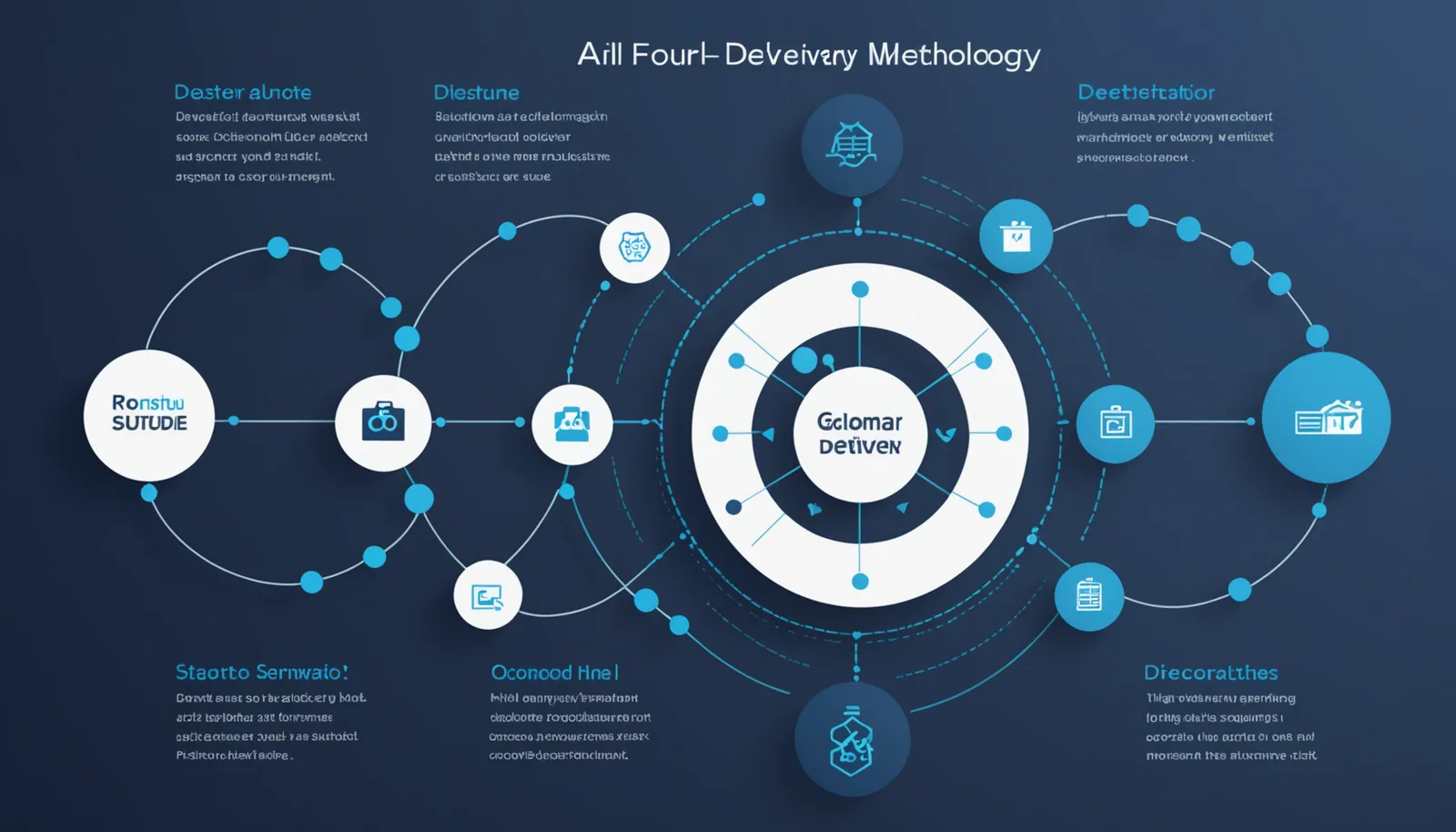
At Glomax, we approach AI projects with a four-phase methodology. First, Discovery establishes the data landscape and defines success metrics. This is critical; Pelago’s success relied on having readily available, clean patient interaction data. Without this foundation, even the fastest build would fail. Second, Feature Engineering builds reproducible pipelines with versioned datasets. This is where you move beyond experimentation and create the reliable data supply needed for continuous learning. Third, Model Development runs controlled experiments tracked in MLflow, with a documented baseline. This ensures you understand why a model performs a certain way and can reliably reproduce results. Finally, Productionisation wraps the model in monitoring, drift detection, and a rollback path. This is the stage often underestimated, but vital for long-term success.
Monitoring and Drift: The Hidden Costs of Speed
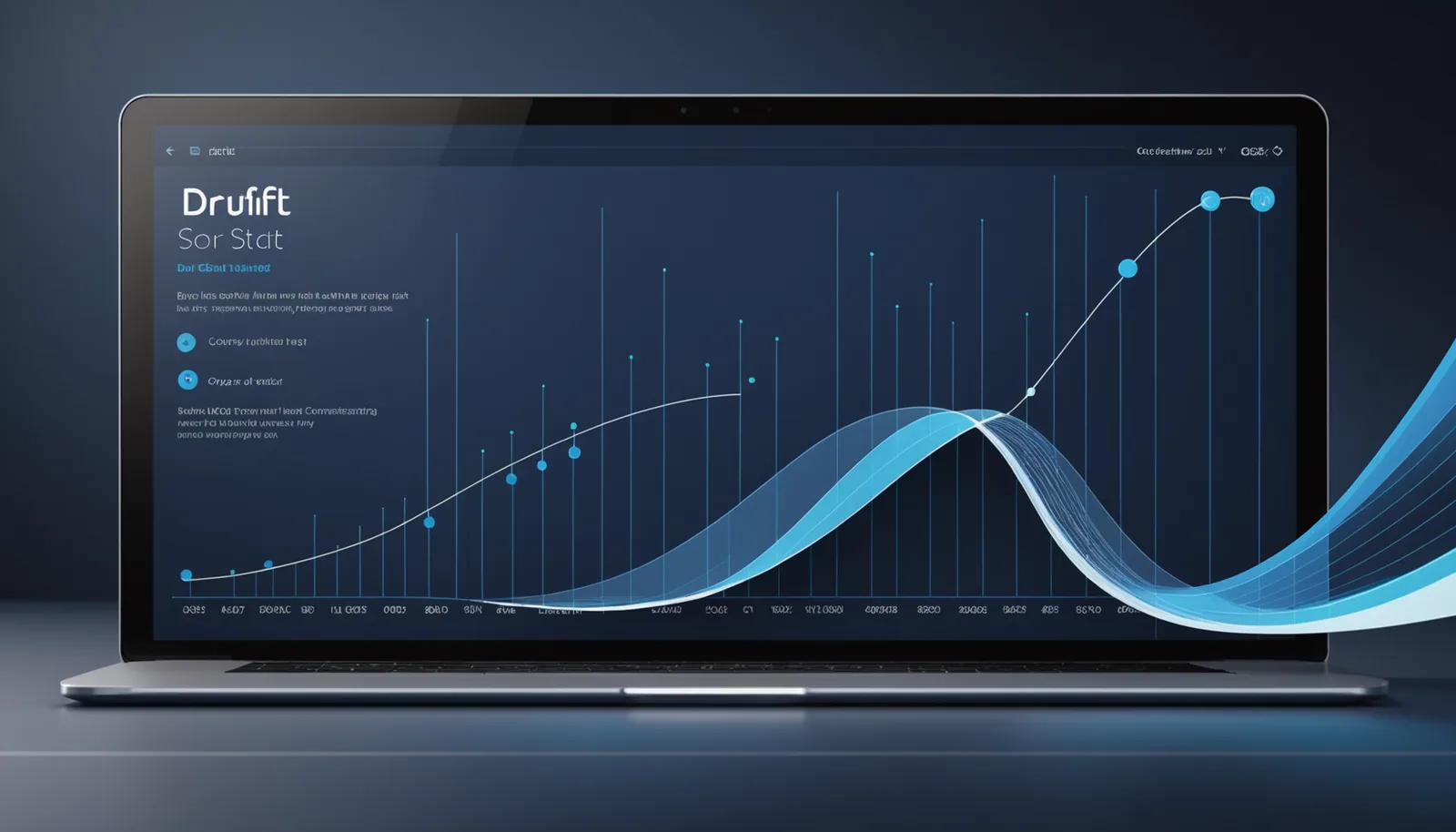
Pelago’s use of serverless architecture on AWS is smart. It offers scalability and cost-efficiency. However, serverless doesn’t eliminate the need for rigorous monitoring. Model drift – the degradation of performance over time as data changes – is a constant threat. You need automated alerts when performance drops below acceptable thresholds, and a clear rollback plan to revert to a previous, stable version. A 99.97% fraud detection accuracy, as we’ve delivered for a client in Banking & Finance, is useless if it drops to 80% within weeks due to unseen data patterns. Implementing this requires expertise in MLOps and a commitment to ongoing maintenance.
Responsible AI: Beyond Accuracy
Every Glomax engagement includes a responsible AI review. This covers bias testing and explainability. In healthcare, this is particularly important. An AI assistant making recommendations about patient care must be demonstrably fair and transparent. The Pelago example doesn’t detail their approach to responsible AI, but it’s a critical consideration. Simply achieving 94.7% diagnostic accuracy – like we have for a Leading Hospital Chain – isn’t enough if the model systematically misdiagnoses a specific demographic group.
From Prototype to Production: A Realistic Timeline
While two weeks is impressive for a proof-of-concept, a first production model typically takes eight to sixteen weeks. This allows time for thorough testing, robust monitoring, and a responsible AI review. You should expect to invest in Data Science & Analytics expertise to build the pipelines and monitoring systems necessary for long-term stability. Don’t mistake speed for completion. Focus on building systems that deliver sustained value, not just initial excitement. Consider investing in Cloud & DevOps services to automate deployment and ensure scalability.
Recommendation: If you’re considering building an AI assistant, start small, but plan for the long term. Prioritize a solid data foundation, robust monitoring, and a commitment to responsible AI. Don’t let the allure of rapid prototyping overshadow the need for a sustainable, production-ready solution.